Rethinking Classroom Seating
As offices and workspaces continue to evolve, many are updating their seating options to boost productivity and comfort. It’s time we extend the same consideration to students. Sitting in the same traditional classroom chairs for hours can lead to discomfort, which ultimately distracts students from learning.
In this post, we’ll look at different classroom seating options, including flexible seating, and the benefits they offer for students and teachers. Whether you’re outfitting a new classroom or upgrading existing classroom furniture, these changes can make a lasting impact.
What is Flexible Seating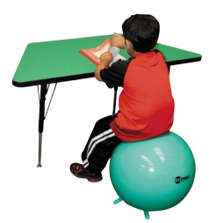
Flexile seating refers to classroom seating arrangements that go beyond the traditional rows of desks and classroom chairs. Instead, it offers a variety of alternative seating options such as standing desks, rocking chairs, yoga ball chairs, and more.
The goal of flexible seating is to create a dynamic and adaptable learning environment where students can choose the seating arrangement that best supports their comfort and learning style.
Benefits of Flexible Seating in Classrooms:
- Comfort: Alternative seating options, such as yoga balls, and bouncy chairs, allow students to move and adjust their positions more freely than traditional chairs, helping them stay comfortable and focused.
- Collaboration: These seating options are easier to move, making it simpler for students to work with different classmates. This flexibility encourages more interaction and group work beyond their immediate neighbors.
- Productivity: When students are physically comfortable, they’re less likely to be distracted. Flexible seating minimizes the need for constant chair adjustments, allowing students to stay focused during assessments, lectures, or group activities.
- Adaptability for Teachers: Teachers can easily rearrange alternative seating to fit the needs of any lesson or classroom size. Whether it’s for group work, independent study, or whole-class instruction, these seating options make classroom setups more dynamic and engaging for everyone.
- Physical: Flexible seating encourages students to move their bodies, which supports better posture. Options like bean bag chairs or standing desks allow students to keep both feet flat on the ground, promoting proper alignment. Additionally, the physical activity involved in standing or shifting positions can help boost metabolism.
Types of Flexible Seating & Their Purpose
Standing chairs allow students to work at raised desks while standing. This reduces restlessness during class and boosts energy levels, helping students stay more alert and focused on their schoolwork.
These chairs offer flexibility by allowing small movements such as bouncing or rocking. This movement helps students stay focused, while also improving posture and balance.
Rocking chairs provide gentle motion that can help calm and relax students. They are great for quiet study areas or for students who may need help self-regulating their energy levels during class.
Floor cushions create a more informal, relaxed learning environment. They’re ideal for group reading time, watching videos, or collaborative learning activities on the floor.
Wobble stools allow students to move and shift while seated, which is especially helpful for those who have difficulty sitting still. These stools encourage focus through controlled movement.
These soft, cozy chairs are ideal for quiet, independent work or reading time. Their comfort helps create a calm, relaxed atmosphere that supports focused learning.
Luxor All-In-One Student Desk and Chair:
This seating option promotes autonomy and flexibility. Students can adjust the desk tray or reposition their seat to better engage with the lesson or classroom activities, fostering independence and comfort. It’s a great addition to any collection of modern classroom furniture.
Challenges of Implementing Flexible Seating
Changing the layout of classroom furniture can be costly, time-consuming, and limited by space constraints. However, with support from your partners like W.B. Mason, and by thoughtfully considering factors such as teaching styles, education levels, student ages, and classroom goals, many educators find that the long-term benefits outweigh the initial challenges.
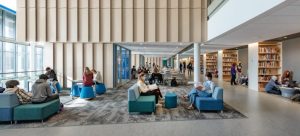
We understand that not all schools have the resources to provide flexible seating in every classroom. However, incorporating alternative seating options in shared student spaces such as libraries, study rooms, or resource centers can still give all students the opportunity to benefit from a more adaptable and comfortable learning environment.
Managing Student Excitement and Behavior
When first introduced, flexible seating can cause a lot of excitement—students may be eager to try their new “fancy” classroom chairs. To keep things running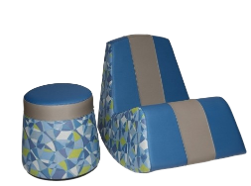 smoothly:
- Set clear expectations: Review each type of seat with students and explain its purpose. Help them understand how to use each option responsibly.
- Create a usage system: To avoid conflict or competition over specific seats, consider implementing:
- A rotation schedule
- A reward system tied to behavior or academic performance
- Keep traditional seating available: Not every student will want (or need) alternative seating all the time. Having standard desks and classroom chairs in the room helps reinforce that flexible options are a privilege, not a right.
By setting guidelines early on and incorporating student voice in the process, teachers can ensure that alternative seating enhances the learning environment without becoming a distraction.
The Future is Flexible Seating
As we rethink how learning happens, it’s just as important to reconsider where it happens. Flexible seating isn’t just about swapping out traditional classroom chairs for something more; it’s about designing a student-centered environment that encourages focus, freedom, and collaboration. If you’re ready to give your classroom a comfort upgrade, start small, whether it’s one stool, a few cushions, or a new set of school furniture, and watch the transformation unfold.






References
The Meemic Foundation. Pros and Cons of Flexible Seating in the Classroom. (https://www.meemicfoundation.org/resources/blog/educational-community-speaks/pros-and-cons-of-flexible-seating-in-the-classroom#:~:text=Pros%20and%20Cons%20of%20Flexible%20Seating%20in%20the%20Classroom) Accessed September 26, 2025.
21K School. 15 Benefits of Flexible Seating in the Classrooms: How Flexible Seating Helps? (https://www.21kschool.com/us/blog/benefits-of-flexible-seating-in-the-classroom/) Accessed September 26, 2025.