Supporting Employee Comfort and Well-Being at Work
Whether employees spend their day working on a laptop or at a desktop workstation, office jobs are often perceived as comfortable. However, many employers and employees underestimate the long-term physical strain that prolonged sitting and poor workstation setup can have on the body. Sitting in the same position for extended periods with limited ergonomic support can contribute to discomfort, fatigue, and other health issues, while also affecting productivity and focus throughout the workday.
Investing in ergonomic desk accessories and furniture can help create a healthier, more comfortable work environment. These solutions are designed to support proper posture, reduce physical strain, and promote overall well-being for individuals who spend most of their workday seated at a desk.
In this post, we’ll explore what ergonomics are, the different types of Fellowes® ergonomic desk accessories available, and the key benefits these solutions can provide.
What is Ergonomics?
Ergonomics is the science of designing workspaces, tools, and equipment to fit the needs of the user while enhancing comfort, safety, and productivity. Ergonomic products are designed to support proper posture, reduce physical strain, and help prevent long-term discomfort associated with everyday office tasks.
Fellowes offers a variety of ergonomic desk accessories designed to help create a more comfortable and productive workspace, including:
- Back rests
- Document holders
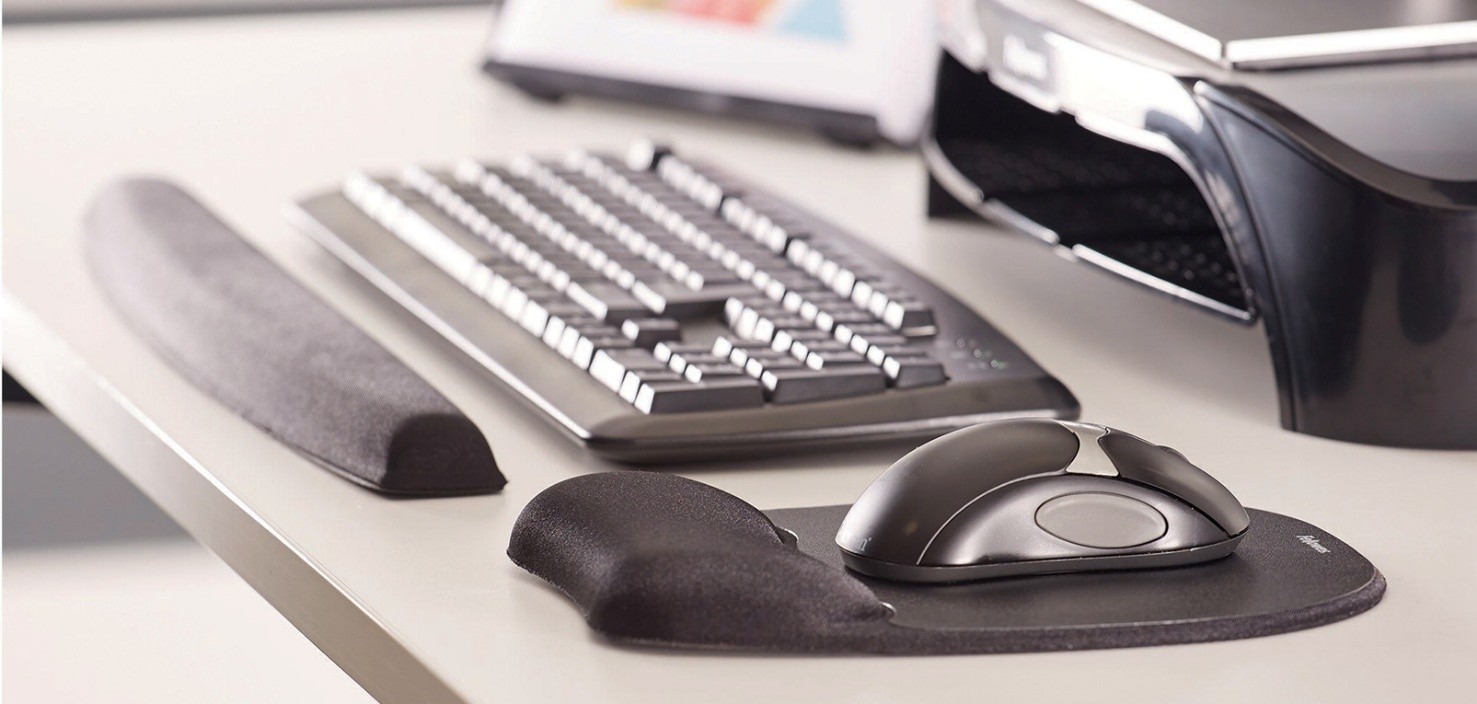
- Ergonomic mouse pads
- Keyboard trays
- Monitor mounts
- Monitor stands
- Wrist rests
Negative Impacts of Lacking Ergonomics in Workplace Settings
Sitting in the same position for extended periods can have significant physical and mental consequences. Poor workplace ergonomics can contribute to fatigue, chronic pain, increased stress levels, eye strain, headaches, and musculoskeletal injuries. Over time, these issues can affect an employee’s overall health, comfort, productivity, and job performance. Below is a closer look at how the lack of proper ergonomics in the workplace can impact employee well-being.
Physical Strain and Health Impacts
Poor ergonomics primarily affects the upper body, including the neck, head, eyes, back, shoulders, arms, and wrists. When the body is not properly supported for prolonged periods, employees may experience discomfort, pain, and an increased risk of long-term health conditions.
- Upper Body Pain and Discomfort:
Inadequate support for the back and neck during prolonged sitting can lead to poor posture, resulting in ongoing pain and discomfort. Improper workstation setup can further contribute to strain. For example, a monitor positioned too close or too far away may force employees to hold their necks at awkward angles, while a keyboard placed too high can cause tension in the shoulders, arms, and wrists. Maintaining proper alignment with the elbows is also important, as prolonged poor positioning may increase the risk of repetitive strain injuries, such as carpal tunnel syndrome.
- Eye Strain and Headaches:
Extended screen use, especially when monitors are positioned incorrectly, can contribute to digital eye strain and frequent headaches. Staring at a screen for long periods without adequate breaks may cause symptoms such as blurred vision, dry eyes, difficulty focusing, and visual fatigue, all of which can negatively affect concentration and productivity.
- Impact on Sleep and Recovery:
Persistent pain and discomfort caused by poor ergonomics can also affect sleep quality. Individuals experiencing neck, back, or shoulder pain may find it difficult to fall asleep or maintain a comfortable sleeping position throughout the night. Poor sleep can further contribute to fatigue, reduced focus, and lower performance during the workday.
Mental & Productivity Impacts
- Increased Stress Levels:
When individuals experience medical issues or chronic pain, their stress levels often increase, negatively affecting their overall mental well-being. Unlike temporary stressors, chronic pain-related stress can persist for extended periods and impact both personal and professional aspects of life. Prolonged stress may contribute to anxiety, insomnia, high blood pressure, and a weakened immune system. Additionally, when physical pain prevents individuals from completing their job responsibilities or daily activities effectively, workplace stress can intensify, leading to concerns about job performance.
- Decreased Productivity:
Pain and discomfort can make it difficult for individuals to remain focused and fully engaged in their work, as ongoing physical discomfort can become a constant distraction. Chronic pain may also lead to decreased productivity when employees require more frequent medical appointments, need additional breaks, or must adjust their work environment throughout the day to remain comfortable. Over time, persistent pain and discomfort can contribute to employee burnout, affecting both personal well-being and professional performance. This can also create operational challenges for organizations, which may need to adapt workloads, schedules, or resources to support affected employees.
By addressing these challenges and providing ergonomic desk accessories, organizations can help reduce physical strain, enhance employee comfort, and promote long-term health and well-being. Investing in ergonomic solutions can also improve productivity, reduce the risk of work-related injuries, and support a more positive work environment.
Below, we highlight the benefits of various ergonomic desk accessories and how they contribute to employee comfort, health, and overall workplace performance.
Benefits of Investing in Ergonomic Desk Accessories
Fortunately, many of these workplace discomforts and challenges can be addressed with thoughtfully designed Fellowes® ergonomic desk accessories. The right tools can help employees improve posture, reduce physical strain, increase productivity, and create a more comfortable and supportive work environment. Below are some of the most common ergonomic solutions and the benefits they provide: 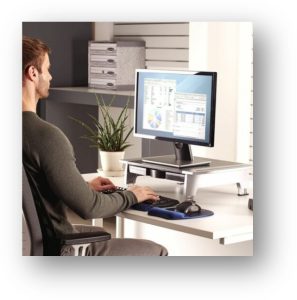
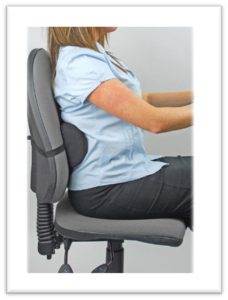
- Back rests: Provide lumbar and back support to help employees maintain the natural curve of the spine and reduce slouching while seated. By promoting proper posture, a back rest helps alleviate pressure on the lower back and supports healthy spinal alignment during extended periods of sitting. This added comfort can reduce muscle fatigue and discomfort, while helping to prevent long-term neck, back, and posture-related injuries.
- Footrests: Helps position the legs and feet comfortably while seated, particularly for individuals whose feet do not rest flat on the floor. By elevating and supporting the feet, a footrest can improve circulation, reduce leg strain, and enhance overall comfort. It also helps reduce pressure on the lower back by encouraging employees to maintain a proper 90-degree angle at the knees and hips, promoting better spinal alignment during extended periods of sitting. This improved posture can help minimize discomfort, fatigue, and strain throughout the workday.
- Document holders: Positions documents at eye level, making them easier to view alongside a laptop or monitor. This ergonomic accessory helps reduce eye, neck, and shoulder strain by minimizing the need to look down at paperwork or repeatedly shift between documents and a screen. The adjustable height promotes proper posture by reducing awkward bending and neck twisting, while the line guide helps users keep their place on the document, improving readability and reducing eye fatigue. By keeping reference materials organized and within an optimal viewing range, a document holder can also improve workflow efficiency, accuracy, and overall comfort during document-intensive tasks.
- Keyboard trays: This ergonomic accessory promotes neutral wrist alignment and helps keep elbows at a comfortable 90-degree angle, supporting proper posture and reducing strain during typing. By positioning the keyboard and mouse at a lower, more accessible level, a keyboard tray minimizes the need to reach forward, helping to reduce tension in the shoulders, upper back, and neck. This improved positioning enhances overall comfort and supports a more ergonomic workstation, allowing employees to work more comfortably and efficiently throughout the day.
- Monitor mounts and stands: Support proper monitor or device placement by raising screens to an ergonomic viewing height, helping maintain proper eye alignment and posture. This reduces eye strain, neck discomfort, and the tendency to hunch or lean forward while working.
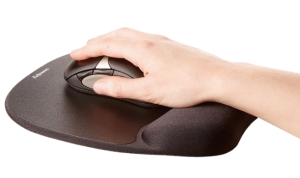
- Ergonomic mouse pads and wrist rests: Promote a neutral wrist position during computer use, helping to reduce awkward bending and repetitive strain on wrists and hands. The cushioned support helps distribute pressure more evenly, reducing tension and discomfort while supporting long-term wrist health and lowering the risk of repetitive stress injuries, such as carpal tunnel syndrome.
Supporting Health, Comfort, and Productivity with Fellowes Ergonomic Desk Accessories
Investing in Fellowes ergonomic desk accessories is a simple yet impactful way for organizations to demonstrate their commitment to employee health, comfort, and well-being. By providing ergonomic tools and workspace solutions, employers can help reduce physical strain and discomfort, enabling employees to focus more effectively on their work and perform at their best throughout the day.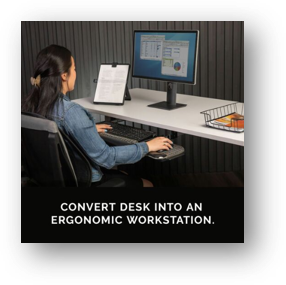
Ergonomic desk accessories such as mouse pads, back rests, footrests, wrist rests, document holders, keyboard trays, monitor mounts, and monitor stands are designed to promote proper posture and reduce the risk of musculoskeletal strain associated with prolonged sitting and repetitive tasks. These solutions not only enhance day-to-day comfort but also support long-term health and wellness by helping to prevent common workplace injuries and discomfort.
By creating a more comfortable and supportive work environment, organizations can increase employee satisfaction, productivity, and overall workplace well-being. Investing in ergonomic solutions not only helps reduce discomfort and the risk of injury but also demonstrates a commitment to employee health and long-term success.






References
American Psychological Association. Coping with stress at work. (https://www.apa.org/topics/healthy-workplaces/work-stress) Accessed July 22, 2026.
Ergonomic Trends. Common Workplace Ergonomic Issues and their Causes. (https://ergonomictrends.com/common-workplace-ergonomic-issues/) Accessed July 21, 2026.
hseblog.com. What is Ergonomics? Types of Ergonomics and Examples. (https://www.hseblog.com/what-is-ergonomics/) Accessed July 21, 2026.
office furniture plus. Ergonomic Issues in Offices: Problems and Solutions. (https://www.officefurnitureplus.com/blog/ergonomic-issues-in-offices-problems-and-solutions/) Accessed July 21, 2026.