Why Your Warehouse Management Is Underperforming
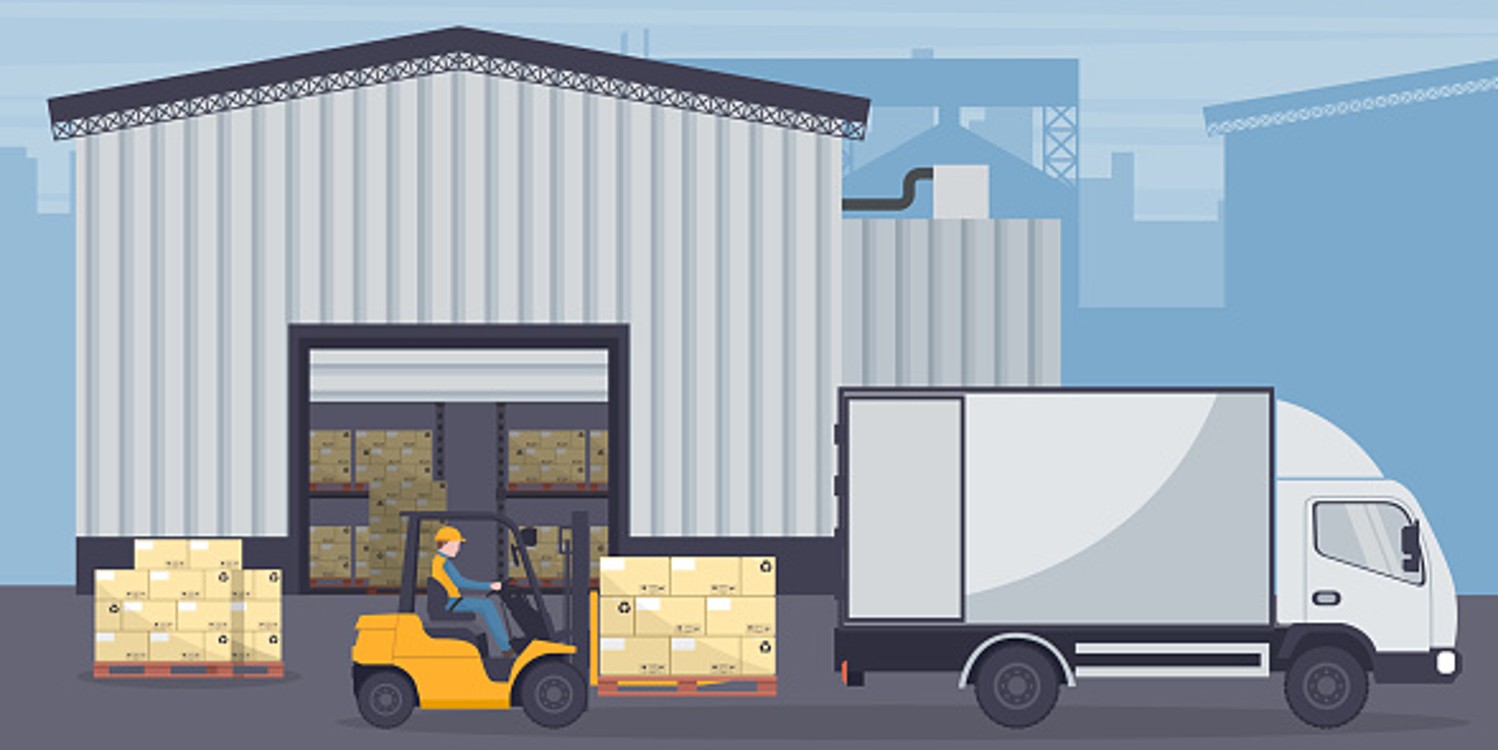
If your warehouse feels disorganized, slow, or overcrowded, warehouse congestion may be the root cause. When workflows become blocked and inventory isn’t stored efficiently, productivity drops, safety risks increase, and costs rise.
In this post, we’ll explore what warehouse congestion is, identify its root causes so your business can prevent it moving forward, and outline practical solutions to improve warehouse efficiency and reduce congestion.
What Is Warehouse Congestion?
Warehouse congestion refers to a buildup of clutter or overcrowding within a warehouse. It is typically caused by poor organization, inefficient layout design, overstocking, and a lack of adequate material handling equipment. This congestion can increase the risk of workplace injuries and slow down operations, ultimately costing businesses both time and money.
The longer congestion is ignored, the more overall performance declines, leading to unnecessary expenses.
The main causes of warehouse congestion include:
Poor Layout and Organization
When inventory, products, or other workplace essentials are left in aisles or placed incorrectly in bins or shelves, it disrupts the warehouse layout. This makes it difficult for employees to move through aisles or operate machinery efficiently. As a result, workers spend more time searching for misplaced products or finding alternative routes to complete their tasks.
These inefficiencies create congestion, slow down order fulfillment, and reduce overall warehouse productivity.
Overstocking
When inventory is poorly managed and data entries are inaccurate due to disorganization, it can lead to misjudged demand and overstocking. If a warehouse has limited storage capacity and holds more stock than it can accommodate or more than is required to meet projected demand, valuable space can quickly fill up. This mismanagement disrupts workflow and creates warehouse congestion, as items may be placed in miscellaneous or temporary locations.
Overstocking can also lead to unsafe stacking that blocks aisles and slows movement. Ultimately, this creates a safety hazard for everyone.
Lack of Material Handling Equipment
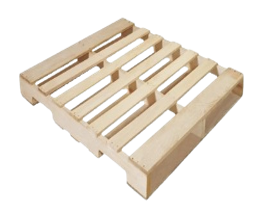
A lack of proper material handling supplies, such as pallets, shelf bins, storage baskets, inventory labels, and storage cabinets or lockers, often leads to disorganization and misplaced items. When products do not have appropriate storage solutions, they are more likely to be placed unsafely in walkways or stacked improperly.
Additionally, when inventory is not clearly labeled, it increases the time employees spend locating items in the warehouse. This not only slows down operations but also contributes to congestion and inefficiency.
While understanding the causes of warehouse congestion is important, recognizing its impact on your business highlights why it must be addressed.
The Impacts of Warehouse Congestion on Businesses
Warehouse congestion negatively impacts both operations and your business reputation, making it essential to address and prevent it as early as possible. Some of the key negative impacts that warehouse congestion can have on your organization include:
 Increased Liabilities and Safety Hazards
Warehouse congestion increases the risk of items or debris falling and injuring employees, as well as the likelihood of workers tripping over objects left in walkways. While it is important for employees to follow safety protocols, it is ultimately the employer’s responsibility to maintain a safe and hazard-free work environment. Failing to do so can place employees at risk and create serious liability concerns for the business.
Delayed Shipments and Customer Dissatisfaction
Items that are not handled or stored properly in a warehouse are more likely to become damaged, even while in storage. In addition, the time it takes for employees to locate products or discover that items are out of stock due to poor inventory management can lead to delayed shipments.
These issues create frustration for customers, whether from receiving damaged goods or experiencing longer delivery times. As a result, customer satisfaction declines, reducing the likelihood of repeat purchases and long-term loyalty.
Increased Labor Costs
When employees do not have the proper material handling equipment to store items in their designated locations, it increases the time required to put shipments away and complete daily tasks. As a result, labor costs rise because employees spend unnecessary time moving, reorganizing, and searching for items that could have been efficiently stored from the start.
In addition, when customers receive damaged items or experience delayed deliveries, they are more likely to request refunds or replacements. This not only increases operational costs but also results in lost revenue and additional strain on business resources.
Solutions to Prevent and Reduce Warehouse Congestion with Material Handling Equipment
Maximize Space with Proper Storage Solutions
Investing in material handling equipment such as pallets, storage baskets, shelf bins, and storage cabinets enables businesses to maximize both vertical and horizontal storage space. This allows products to be stored safely, securely, and in an organized manner. As a result, businesses can increase available storage capacity, reduce task completion times, and minimize safety risks within the warehouse.
With the implementation of these storage solutions, employees can efficiently access and store products while moving safely through the workspace. This not only improves workflow but also enhances overall warehouse organization. In addition, these systems support better inventory management by making items easier to locate and track, which helps prevent overstocking and improve inventory accuracy.
Improve Organization with Labeling Systems
Material handling supplies such as inventory labels further strengthen warehouse operations and help prevent congestion. Clear labeling ensures that items are consistently stored and retrieved from their appropriate locations. It also simplifies product tracking, allowing employees to maintain accurate and consistent inventory counts while identifying which items need to be replenished.
Prevent Damage with Smart Handling Tools
Pallet cones help reduce the risk of product damage during storage by clearly indicating that pallets should not be stacked. This simple visual cue helps protect fragile goods and minimizes the chances of shipping damaged items to customers.
Buy Smarter to Avoid Overstocking
Prevent warehouse congestion by partnering with a material handling and workplace supplier that offers no minimum order requirements. This allows businesses to purchase only the essential products they can store within their available capacity, eliminating the pressure to meet order minimums and reducing the risk of overstocking.
Material Handling Equipment to Keep Warehouse Operations Running Efficiently
Prevent warehouse congestion and keep operations flowing smoothly with the right material handling equipment and supplies from your trusted supplier, W.B. Mason. Improve workflow, enhance employee safety, and ensure customer satisfaction by preventing operational delays and maximizing efficiency.
Shop material handling equipment here and keep your warehouse running and looking its best!