The Unfortunate Discovery of Gum and Other Sticky Residue on Commercial Furniture
Few maintenance issues are as unpleasant as discovering chewing gum stuck beneath desks, tables, chairs, and other commercial furniture.
In schools, students are often asked to throw away their gum before class. Rather than getting up to dispose of it properly, some choose the more convenient option and stick it under their desks. Similar situations occur in restaurants and other public spaces, where guests may place gum underneath tables or chairs instead of finding a suitable place to throw it away.
Fortunately, removing gum doesn’t have to be difficult or time-consuming. In this guide, we’ll discuss effective methods for removing chewing gum from commercial furniture and other surfaces using commercial adhesive removers, helping you maintain a cleaner, more professional environment for guests, customers, and students.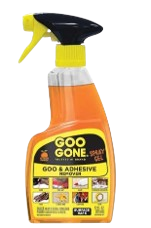
How to Remove Gum from Commercial Furniture
The equipment and cleaners you will need to remove gum include:
- Commercial adhesive remover or gum remover (e.g., Goo Gone)
- Scraper or putty knife
- Clean cloth
- Mild soap
Below are the steps for using commercial adhesive removers to tackle gum removal in high-traffic environments such as schools, restaurants, and other customer-facing surfaces.
Step 1: Select the Appropriate Adhesive Remover
Commercial adhesive removers are available in several forms, including aerosol sprays, gels, and freeze sprays. Freeze sprays quickly harden gum for easier removal, while solvent-based products help break down adhesive residue. Choose a product based on the furniture material, the amount of gum present, and any facility-specific cleaning requirements.
Please note: To help prevent discoloration or damage, test commercial adhesive removers on a small, inconspicuous area first and follow the manufacturer’s instructions.
Step 2: Apply Commercial Adhesive Remover
Apply a small amount of Goo Gone or another gum remover directly to the gum. Allow the product to sit for a few minutes to penetrate and loosen the gum. This helps break down its bond with the surface, making removal easier while reducing the risk of damaging the furniture.
Step 3: Scrape the Gum Off 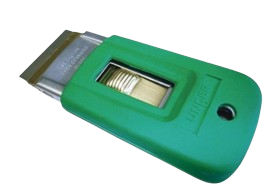
Once the adhesive remover has had time to work, use a scraper or putty knife to gently lift and remove the softened gum. Take care not to scratch or damage the furniture surface during the removal process.
Step 4: Wipe Away Any Remaining Residue
After the gum has been removed, inspect the area for any remaining sticky residue. Using a clean cloth, wipe the surface thoroughly. If necessary, reapply the adhesive remover and continue wiping until all residue has been eliminated.
Step 5: Clean and Disinfect the Surface
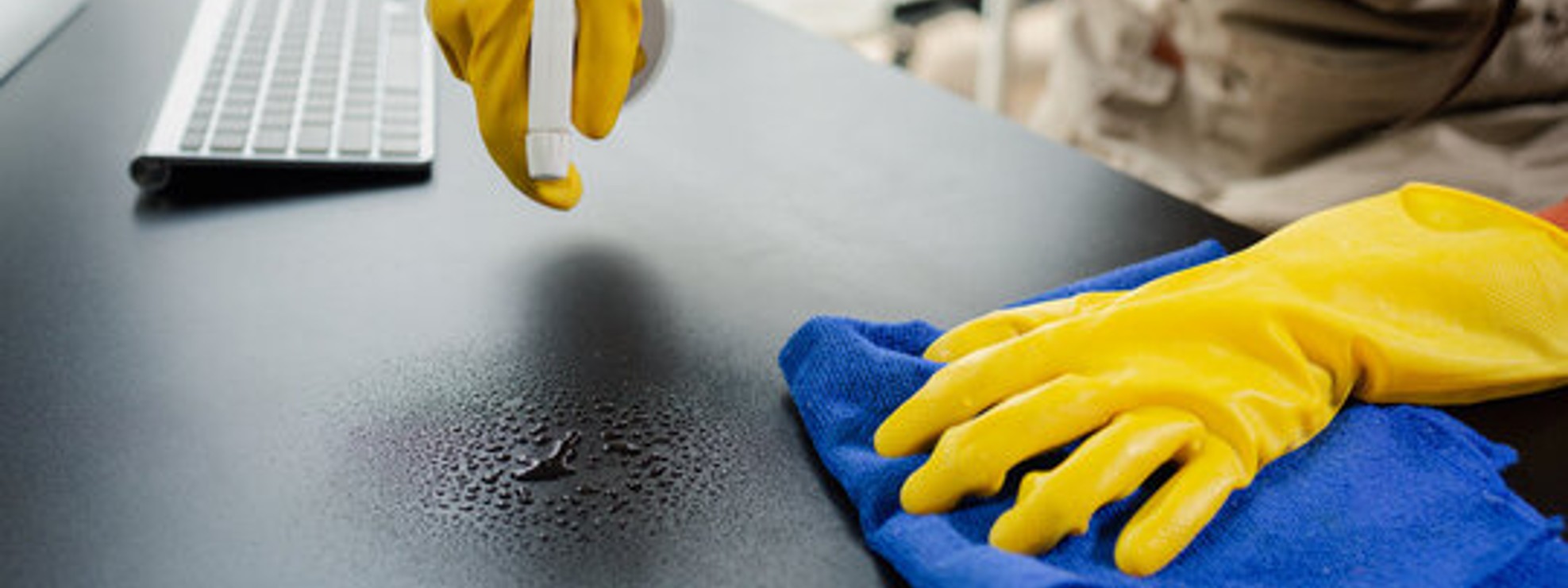
Removing gum does not necessarily eliminate all dirt, bacteria, or other contaminants. Finish the process by cleaning the area with a mild soap and water solution to restore the furniture’s cleanliness and appearance. Allow the surface to dry completely before it is returned to use.
Although removing gum from commercial furniture is a straightforward process, it is often not prioritized in routine maintenance efforts. Understanding the effect that stuck-on gum can have on students, guests, and facility perceptions highlights the importance of addressing it promptly and consistently.
How Stuck-On Gum Affects Students, Guests, and Facility Perceptions
Beyond being unpleasant to encounter, stuck-on gum can create a negative impression of a facility’s cleanliness and maintenance standards. This can influence how customers, visitors, and students perceive the overall quality of the environment. In educational settings, gum residue can become a distraction for students, while in hospitality and other customer-facing environments, it can detract from the guest experience and reduce the likelihood of return visits.
Maintaining a clean, well-kept environment helps create a positive first impression and a space where students feel comfortable and focused. Clean learning environments can also support student engagement by minimizing distractions and promoting an atmosphere that encourages learning, productivity, and overall well-being.
Maintaining Hygiene and Cleanliness Standards in Public Spaces
Facilities can reduce gum-related maintenance issues by providing conveniently located disposal options, such as classroom trash cans and small receptacles near desks and common areas. Educating students, employees, and visitors about proper disposal practices through clear signage and awareness initiatives can also help discourage improper gum disposal. In addition, conducting routine inspections of high-traffic areas allows facility teams to identify and address gum buildup before it becomes a larger issue.
Regular monitoring and prompt gum removal with commercial adhesive removers help preserve the appearance of desks, tables, chairs, and other commercial furniture by preventing visible buildup and residue that can make facilities appear neglected.
Support Cleaner Commercial Furniture with Commercial Adhesive Removers
Create a cleaner, more welcoming facility for students, visitors, and staff by helping support cleaner surfaces and higher cleanliness standards. W.B. Mason is your trusted source for facility maintenance supplies, offering commercial adhesive removers from leading brands like Goo Gone, along with scrapers and other cleaning essentials to help keep furniture and surfaces looking their best.
Shop commercial adhesive removers today at W.B. Mason!






References
News Medical Life Sciences. Oral bacteria persist on wasted chewing gums for weeks. (https://www.news-medical.net/news/20201023/Oral-bacteria-persist-on-wasted-chewing-gums-for-weeks.aspx) Accessed June 30, 2026.
Labroots. How Many Nasty Germs Are in Chewed Gum? Ig Nobel Winners Found Out. (https://www.labroots.com/trending/microbiology/21319/nasty-germs-chewed-gum-ig-nobel-winners-found) Accessed June 30, 2026.
SuperClean SG. How to Remove Gum Under Desks Using These 7 Easy Methods. (https://superclean.sg/blog/gum-under-desks-removal/) Accessed June 30, 2026.