Winter is one of the most challenging seasons for facility management. From ensuring walkways are safe and visible to preparing for potential power outages, maintaining comfortable indoor temperatures, and reducing damage to facility assets, it can be difficult to ensure every area is properly prepared for the season ahead.
When facilities overlook key maintenance areas during seasonal transitions, the result can be increased maintenance issues, a higher risk of injury or illness for occupants, operational disruptions, and, in some cases, compliance concerns.
Throughout this post, we will cover important areas for your maintenance team to inspect and prepare for winter, as well as the facility supplies and equipment that can help keep operations running smoothly throughout the season.
5 Facility Supplies and Tips to Help You Prepare for Winter Weather
1. Reduce Slip-and-Fall Hazards
During the winter months, dropping temperatures increase the likelihood of ice forming on walkways, creating hazardous conditions for pedestrians. When left untreated, icy surfaces can significantly increase slip-and-fall risks for employees, customers, and visitors.
- Ice Melt: Start by removing accumulated snow using shovels, snow blowers, or plows. Once the area has been cleared, apply an
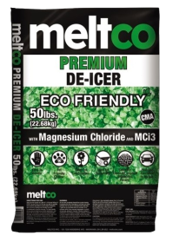 effective de-icing solution such as ice melt. This helps break down ice and lower the freezing point of water.
- Entrance Mats: Transitioning from wet outdoor conditions to indoor flooring surfaces such as tile, vinyl, or polished concrete can increase the risk of slips and falls when moisture is tracked inside on footwear. Consider placing entrance mats at exterior doorways and other high-traffic entry points to help absorb water, snow, and slush before it reaches interior floors. Additionally, use wet floor signs when conditions become especially wet to alert employees and visitors to potential hazards and help promote a safer environment.
2. Protect and Preserve Commercial Flooring:
While ice melt helps improve winter safety, it can also damage commercial flooring if tracked indoors. This material can leave stains, wear down floor finishes, and increase moisture exposure, potentially leading to long-term floor damage. Taking a few preventative steps and keeping the right facility supplies on hand can help protect your floors during seasonal conditions.
- Remove Ice Melt Crystals: Regularly sweep, vacuum, or mop floors to remove de-icing products before they scratch or damage surfaces. Be sure to shake out entrance mats frequently to prevent buildup and reduce tracking throughout the facility.
- Deep Clean Commercial Flooring: If floors begin to look dull or dirty, perform a deep cleaning using products recommended for your flooring type. Routine cleaning helps remove residue buildup, maintain appearance, and extend the life of your floors.
3. Stock Up on Backup Power Supplies:
Winter can bring high winds, heavy snow, and ice storms that increase the risk of power outages. Fallen trees, ice-covered power lines, and severe weather conditions can disrupt electrical service, impacting both comfort and daily operations. Having essential facility supplies and backup power solutions on hand can help your workplace remain operational and keep employees, visitors, and occupants comfortable during an outage.
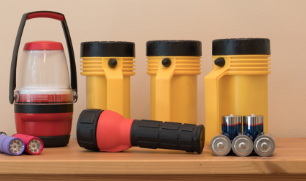
- Utilize Battery-Powered Devices: Battery-powered equipment such as flashlights, two-way radios and portable power stations
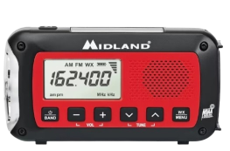 can provide essential lighting, communication, and power when electricity is unavailable. Ensure these devices are fully charged and that replacement batteries are readily available before winter weather arrives. It is also important to review operating instructions and train staff on proper use, so they are prepared to respond quickly during an emergency.
- Check Battery Life and Compatibility: Before the winter season begins, inspect all battery-powered devices to ensure they are functioning properly. Check battery life, replace expired batteries, and verify that you have the correct battery types available for each device.
- Maintain Backup Generators: Consider investing in a backup generator to help maintain operations during unexpected power outages. If your facility already has a generator, schedule regular inspections and preventive maintenance to ensure it remains in proper working condition. When severe winter weather is forecasted, check fuel levels, inspect key components, and perform a test run to verify the generator is ready to provide reliable power when needed.
4. Inspect and Maintain Drainage Systems:
Poorly maintained drainage systems can create significant challenges during the winter months, including frozen pipes, drainage backups,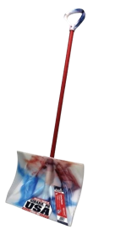 and water damage. Regularly inspecting both indoor and outdoor drainage systems can help identify potential issues before they become costly repairs and keep water flowing properly throughout the season.
- Monitor Drainage Performance: If you or your facility maintenance team notice slow-draining sinks, standing water, overflowing drains, gurgling sounds, or other signs of poor drainage, consider scheduling a maintenance inspection.
- Clean Gutters and Drainage Systems: Regularly inspect and clear gutters, downspouts, storm drains, and drainage entrances of leaves, debris, snow, and ice. In areas that receive frequent snowfall, shovel snow away from drainage openings to help prevent blockages, ice dams, pooling water, and overflows.
5. Ensure Adequate Exterior Lighting:
With shorter days and longer periods of darkness during the winter, employees, customers, and visitors are more likely to arrive or leave your facility after sunset. Proper exterior lighting is essential for maintaining visibility around building entrances, walkways, parking lots, and loading areas. Well-lit outdoor spaces help pedestrians navigate safely, increase security, and make it easier for drivers to see people and potential hazards.
- Inspect Outdoor Lighting Systems: Regularly inspect exterior lighting fixtures to ensure they are operating properly and providing adequate coverage throughout your facility’s outdoor areas. Check parking lots, walkways, entrances, exits, and other high-traffic locations for dark spots or burnt-out bulbs. If lighting fixtures are not functioning correctly, schedule maintenance promptly and replace any bulbs, batteries, or components as needed.
Keep Your Workplace Winter-Ready with the Right Facility Supplies
Set your maintenance team up for success this winter by stocking up on essential facility supplies and implementing proactive practices to stay prepared for changing weather conditions.